AI Creates New Functional Viruses in Major Scientific Breakthrough
Artificial Intelligence has reached another major milestone after researchers successfully used AI to design brand-new viruses that work in laboratory conditions. The breakthrough marks the first time AI has created complete viral genomes capable of replicating, opening new possibilities for medicine while raising important safety concerns.

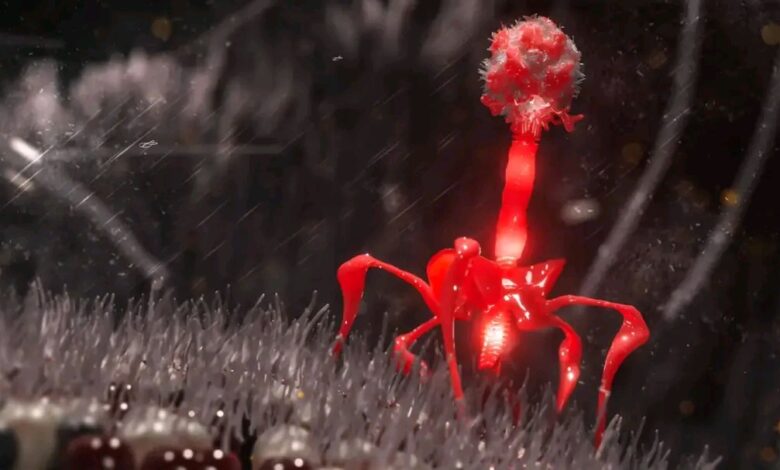
Scientists at Stanford University used advanced AI models known as Evo1 and Evo2 to design 16 new bacteriophages—viruses that infect bacteria but are harmless to humans. These viruses successfully targeted and destroyed E. coli bacteria during laboratory testing.

The AI system was trained using genetic data from viruses, bacteria, plants, and humans. Instead of predicting words like traditional AI chatbots, the models learned the “language of life” by predicting DNA sequences and generating entirely new viral genomes.
Researchers believe the discovery could help develop new treatments for antibiotic-resistant infections, offering hope as drug-resistant bacteria continue to become a global health challenge. Bacteriophages may become valuable alternatives to antibiotics in the future.
However, experts have also expressed concern over the technology’s potential misuse. Scientists from the Center for Health Security at Johns Hopkins University warned that AI-designed viruses raise urgent biosafety and biosecurity questions that require careful oversight.
While the newly created viruses pose no threat to humans, the research highlights both the incredible promise and the serious responsibilities that come with AI-powered synthetic biology. As AI continues to evolve, balancing innovation with safety will be more important than ever.
Source: BBC News